Tuesday, October 18, 2011
The (Western) Bluebird of Happiness
Monday, August 15, 2011
First Annual Metchosin BioBlitz 2011
![]() |
| Comandra umbellata (Bastard Toadflax) |
![]() |
| Allium amplectans (Slimleaf onion) |
![]() |
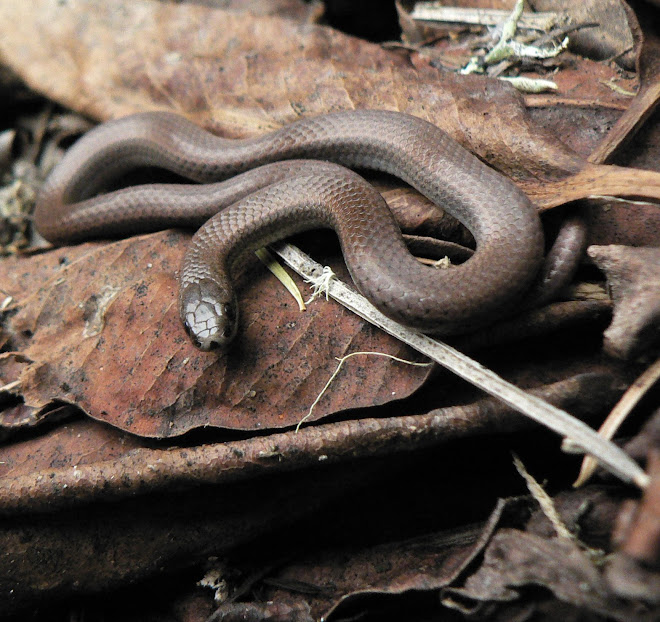
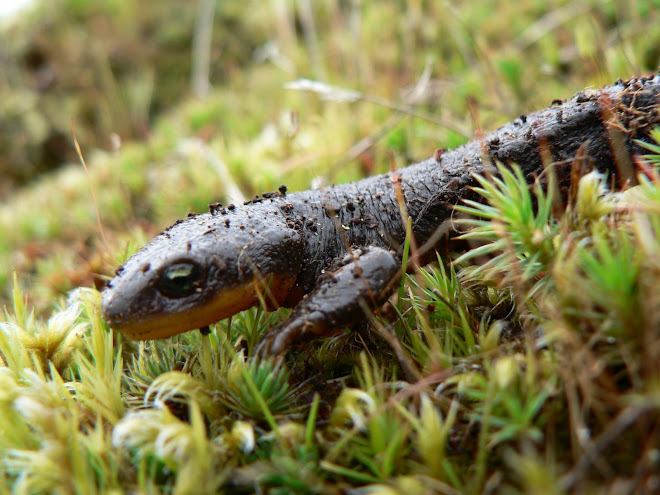
| Youngest ever found blue-grey taildropper (Photo by Adolf Ceska) |
![]() |
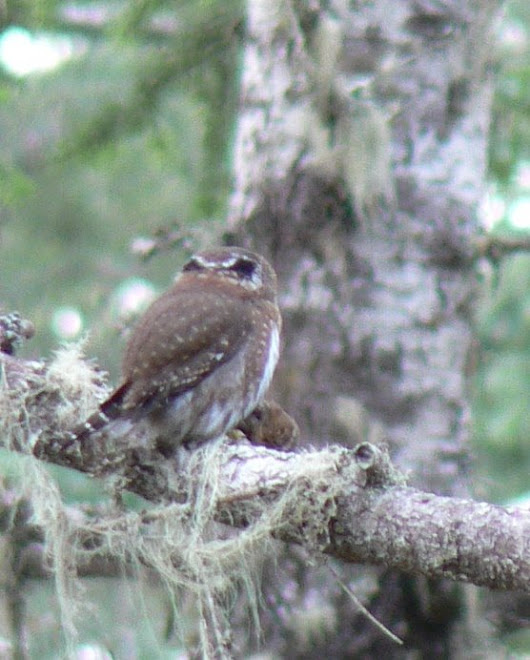
| Western Bluebird (photo by Jeremy Gatten) |
Monday, May 16, 2011
Winged Wonders of Metchosin - Butterflies of Metchosin
![]() |
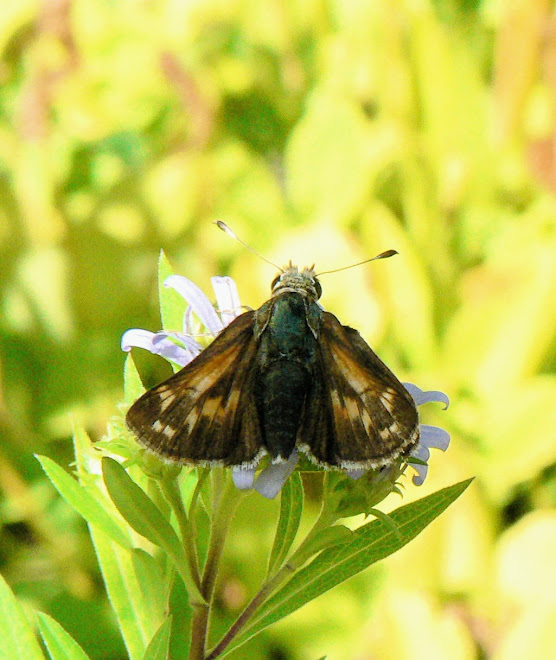
| Two-banded Checkered Skipper |
![]() |
| Moss' Elfin |
![]() |
| Propertius Duskeywing |
![]() |
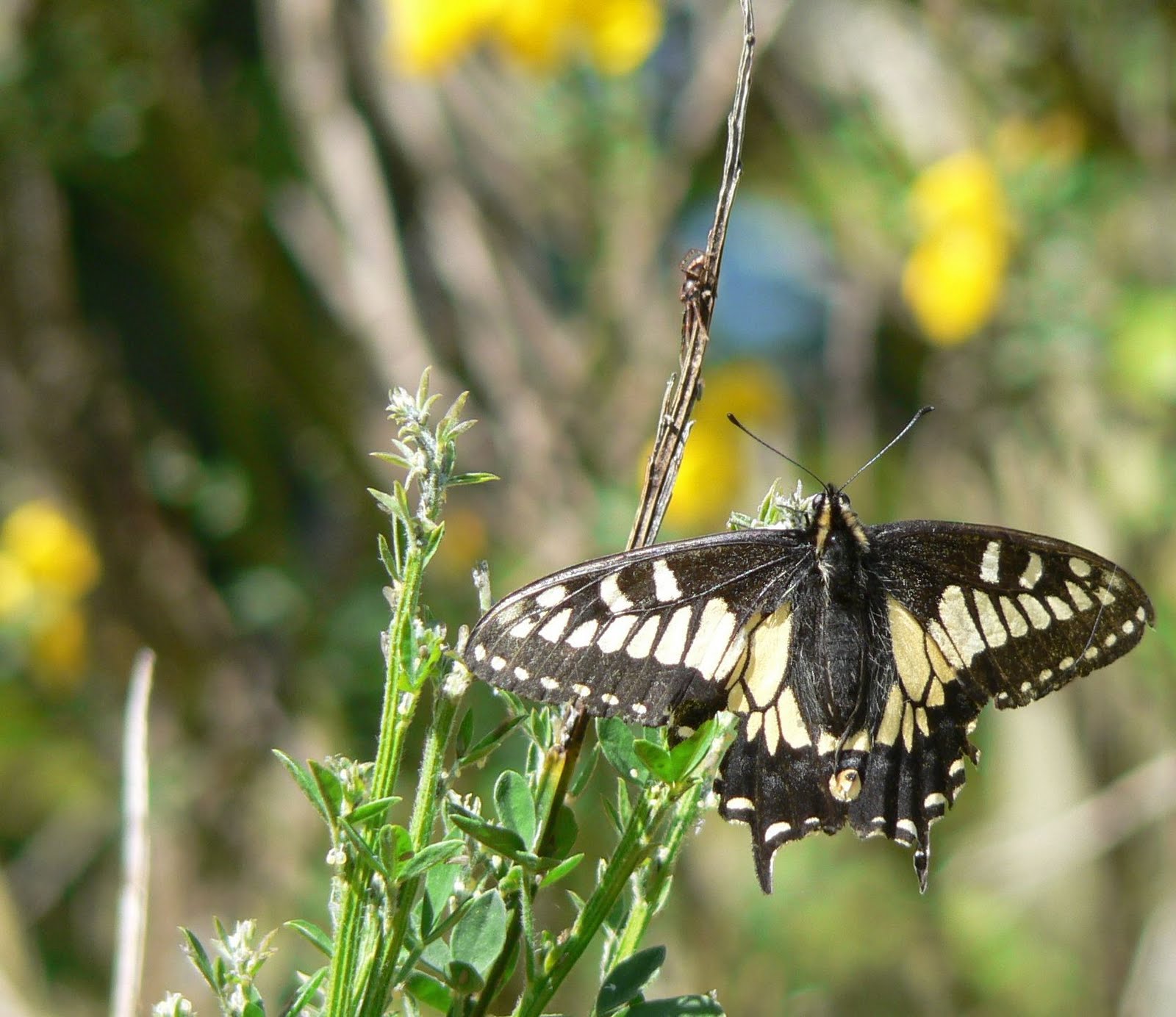
| Anise Swallowtail |
![]() |
| 2nd Instar Anise Swallowtail |
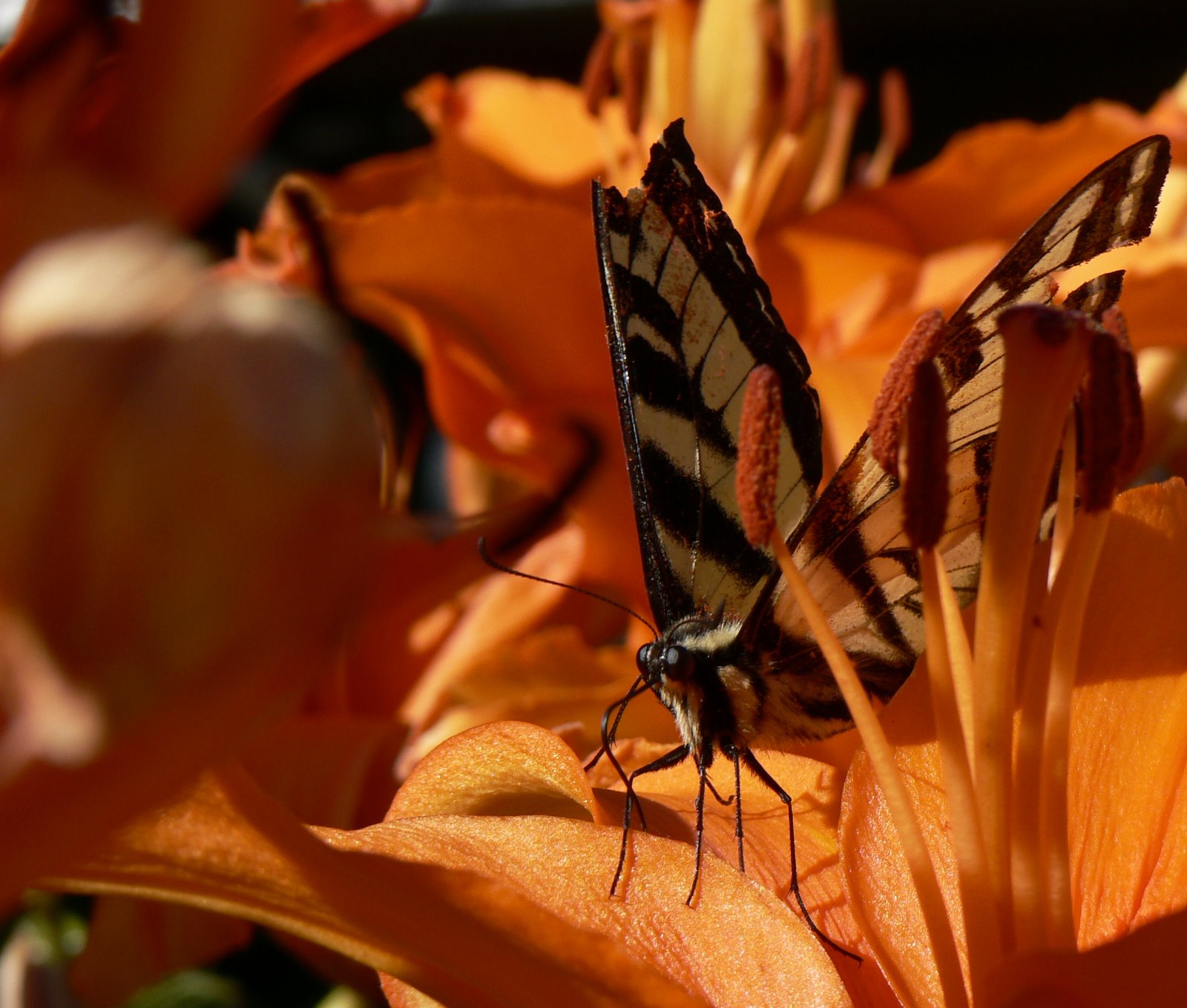
| Western Tiger Swallowtail |
![]() |
| Pale Swallowtail |
![]() |
| Spring Azure |
![]() |
| Lorquin's Admiral |
![]() |
| Pine White |
![]() |
| Purplish Copper-female |
![]() |
| Purplish Copper-male |
![]() |
| Common Branded Skipper (ssp oregonia) |
![]() |
| Mylitta Crescent-female |
Saturday, March 26, 2011
The Lives and Good Times of Northern River Otters

One of the most wonderful and memorable sights I have experienced was during a typical wet and chilly west coast day. With rain soaking through my clothes and water dripping off my nose - while remaining absolutely still - I watched entranced as a small group of three coastal river otters frolicked over and under logs at a creek along the shoreline of Parry Bay, Metchosin. For half an hour they chased each other, sliding into the creek, swimming under the logs and pouncing on each other for the sheer joy of the game. Only uncontrollable shivering and incipient pneumonia released me from viewing their playful antics.
Like watching youtube videos of cute kittens or listening to babies laugh, river otters make me smile, and I am delighted to find out that they are just what they seem, a group of otters out for a good time. Otters love to toboggan and slide on the stomachs - across ice or snow and down muddy banks. They dive for pebbles they throw in the water and they play with sticks and bits of floating flotsam. All this play is apparently the result of efficient foraging techniques that free up lots of disposable time.
Coastal river otters (Lontra canadensis) have not been well studied and new evidence is emerging about their habits, which are markedly different from their interior relatives. The dynamic environment in which they live and their ability to forage in both marine and fresh water, provides them with many food options. Most of their food is comprised of slow moving intertidal species such as sculpins, gunnels, rockfish and crabs, although they will eat almost anything, even blackberries have been observed as part of their diet.
The latest theory on why some otters congregate into groups is that they can then hunt fast moving prey more efficiently. Three otters have been observed dragging a large halibut onto the shore, a meal that a solitary otter, hunting alone, would be unlikely to acquire.
Although coastal otters spend much of their time in the marine environment, they need access to fresh water every day. Natal dens, where the young are born, are often located far from shore. One to six young (but usually only two to three) are born in late spring after a three month gestation, they are born blind and helpless and remain in the den for a month or more. They stay with the mother for half a year and sometimes until the next litter is born, as she teaches them hunting skills. The natal dens are separate from the regular den sites, which might hold a group of unrelated otters.
Outside the den, which can be found by following your nose, is a latrine. It is estimated there are latrine sites every 200-300 metres from Pedder Bay to Cadboro Bay. Otters use many communal latrine sites, which seem to function as an information exchange, where many aspects of an otter’s life is on olfactory display: from profiles on sex, age, kinship and status to territorial signals and foraging success as well as warnings to stay away or welcoming invitations. With continual status updates, the latrines serve as an otter’s version of Facebook.
Coastal river otters are the top predator in their environment and as such they maintain the ecological stability of that system. When a top predator is removed from a system, a drastic imbalance can occur. When cougars and wolves are gone, deer populations can increase to unsustainable levels and excessive amounts of vegetation can be destroyed, which can lead to further system instability (erosion for example). When sea otters were exterminated, sea urchin populations increased dramatically and they decimated kelp forests, which had been critical nurseries for juvenal fishes.
River otters along the Pacific Northwest coast are the only stable and healthy populations left on earth. Habitat degradation has been the major cause of decline, especially from pollution. Cait Nelson a masters student at UBC, has been studying the coastal river otters in this area, determining the impacts of the PCB polluted waters of the Victoria Harbour on their health. Her work focuses on the effects of PCB contamination on the otters, through study of the level of toxins in their systems, their genetics and stress levels. The research is done in a non-invasive manner by studying their feces, from which they can extract DNA. Already she has found that their home range is much smaller than was previously thought. Some otters stay within the harbour all the time and other otters along the coast might have territories of three to six km. This is markedly different from inland otters who must travel much farther, as food resources are less abundant.
Although otters can be a joy to watch, they are a smelly nuisance if they discover the perfect denning site under your house. The best way to protect yourself from sharing your home with otters is to wildlife proof your house before they arrive. At Albert Head, where there is an abundance of natural habitat, they still seem to prefer the comfort of urban living and den under some of the buildings.
Coastal river otters have been successful because they are a generalist species. As well as having the awww factor, they are adaptive, resourceful and flexible. Sometimes this leads them into conflict with people as they discover free fish at marinas, as they harvest crabs from traps and as they set up latrines on decks, and dens under buildings.
These charismatic and playful predators just want to have a good time and we can help to protect these important sentinels of ecosystem health by respecting the fact they are wild animals and by protecting the environments which sustain them.
Saturday, March 13, 2010
Lichen It!
Walking through the mist shrouded hills in the wet, winter season provides a wonderful opportunity to appreciate the rich, vibrant tapestry of mosses and lichens that cloak the landscape. The number of variations of green, brown and white are astounding, and the diversity of textures, from a velvet smoothness to intricately branching sculptures, to rock hugging crusts is exceptional; surely an artist has been at work.
Lichens are a remarkable adaptation of nature, a combination of a fungus and an algae or in some cases a cyanobacteria (formerly known as blue-green algae), who co-inhabit and create a new form of being. They have a mutually beneficial relationship (symbiotic) whereby algae supply nutrients otherwise unavailable to the fungus and the fungus provides a home and protection from a harsh environment to the algae. Renowned BC lichenologist Trevor Goward considers that "Lichens are fungi that have discovered agriculture”.
Are lichenologists born with a creative streak or does their intimate relationship with these strange and wonderful plants stimulate newfound abilities? Consider the names they have given to lichen species: Questionable rock-frog, lipstick cladonia, coastal reindeer, waxpaper, tickertape bone, antlered perfume, fishnet, devil’s matchstick, waterworm, blood-spattered beard, witch’s hair, lettuce lung, false pixie cups…… playful and suggestive, you’d almost think they sat around the bar one long night, inventing names, each more amusing than the one before.
Lichens can grow in the most extreme areas of our planet, albeit very slowly. From the High Arctic to Antarctica, from deserts to ocean shores, some species have been shown to be able to survive temperature extremes, ranging from +100C to -196ºC. The only place you won’t find them is in subterranean caves where there is no light, the algae component need sunlight to photosynthsise and produce food. They are the first species to colonise bare rock, beginning the long process of building ecosystems. They don’t have roots, they take their nourishment from the air, living on trees and shrubs, often high in the canopy, never harming their hosts. They can be found on glass and metal left out too long in the unforgiving elements.
Lichens have served the environment and people well over the millennia. They are an important component of desert and semi-arid ecosystems, partnering with mosses, algae, fungi and other hardy and miniscule plants to form a microbiotic crust that protects the dry landscape from erosion.
They contribute to invertebrate diversity in forests, they supply nesting and camouflage material to birds and insects - lichens are woven into a hummingbird nest, making it almost impossible to find. Lichens are nitrogen fixers, supplying a much needed source of nutrients to enrich forest health and productivity.
Fifty percent of lichens have been shown to have some antibiotic properties. Across many cultures, Usnea species, the “beard” lichens, have traditionally been used to treat wounds. Old Man’s Beard is one species of Usnea that can be found in our woods, it can be distinguished from similar looking but different lichen species by a central white cord that runs through all Usnea species. In “Plants of the Pacific Northwest Coast”, it is recommended to “slowly pull the lichen lengthwise like a party cracker”, if it is an Usnea species, there will be a tough, somewhat elastic central cord. Being able to recognize these lichens can save your life. If you cut yourself while hiking far from medical services, grab some Usnea and apply to the wound, it is supposed to have antibiotic, antioxidant, antifungal and absorbent properties that can help combat infection until you can get medical assistance. Usnea is purported to be helpful in treating a range of medicals problems: respiratory and urinary conditions; yeast infections, herpes and in treating HIV and it supposedly supplies long term immune system benefits.
Lichens are the subject of research, especially in Japan, for their medicinal qualities. Some lichen species have been used as food, especially during famine times, they are made into soups and flours; generally they have low protein and high carbohydrate levels.
Punctured rock-tripe produces the scarlet colour used in some Scottish tartans while speckled horsehair and waxpaper lichens produce yellow and brown dyes. Wolf lichen, so named because of its alleged ability to poison wolves, was a valuable trading commodity between Interior and Chilkat First Nations-who used it as a yellow dye in their blanket making. Antlered or oakmoss perfume is a slow-growing (2mm/yr) lichen, commonly found on trees and shrubs throughout our Coastal Douglas-fir region. It has long been used as a fixative in the production of perfume.
Lichens are very susceptible to pollution and are being used as environmental indicators by scientists monitoring air quality; alder trunks are usually festooned with lichens but downwind of a pollution source the bark can be bare, indicating problems that can affect the rest of us; they act as our canary in the coal mines. They perform like organic sponges, absorbing radioactive pollutants at high rates, analysis can then show which pollutants are in the air. This doesn’t bode well for the many species of animals that use them for food, who can ingest high levels of contaminants. Studies have shown that some wild meat can have ten to one hundred times the levels of contaminants as farmed beef.
Lichens are strange and fascinating organisms which exhibit remarkable properties. Beyond their own intrinsic values, they hold the promise of exciting medical and monitoring advances. Next time you are outdoors, here in Metchosin or elsewhere, check the bark on alders and see what it can tell you about the air quality in your neighbourhood.
Usnea tincture from: (http://www.herbalremediesinfo.com/usnea.html)
Fill a jar of your choice with Usnea (the more freshly harvested the better, although this plant contains so little water that it's hard to distinguish fresh from dry).
~ Pack the jar full, but not crammed. Then fill the jar again with 100 proof vodka.
~ Make sure the alcohol totally covers the plant material.
~ Label your jar with the date and contents and cover it with a lid.
~ Let it sit in a cabinet for six weeks (feel free to open it up occasionally and taste it). It's not necessary to shake it.
~ After six weeks strain off the liquid, compost the Usnea, and pour your extract back into the jar. It will have turned brownish-orange.
~ You can pour some into amber dropper bottles for easier use.
Friday, January 15, 2010
Seeds: Collection, Cleaning, Storage and Germination
One of the most enjoyable aspects of restoration is the collection of propagules for your project. After you have surveyed your site and reference sites and determined which species are most likely to have been present and which species you will spend your efforts on replanting, you have the opportunity to search for these species.
Instead of report writing and viewing scenes of ecological devastation, you have the pleasure of hiking through forests, wetlands and grasslands where you can take some time to appreciate the beauty of the world around you and perhaps enjoy new botanical/natural history opportunities.
Plant Identification
Underlying this pleasant activity though is the quest to restore a functioning ecosystem into some semblance of its previous make-up. Therefore, if you are in any doubt as to plant identification, it is best to locate promising populations with the help of an expert, preferably during the flowering season, as many vascular plants are easier to identify when they are in bloom. (GOERT flowering dates link here). You will need to receive permission to hike and collect from these areas. Identify the healthiest and most vigourous plants, these will likely produce the highest quality seeds. It is helpful to mark their locations in such a way that you can return with a great deal of assurance to the exact location and be able to identify the plants in their new, less obvious stage as seed containers. GPS units can be a huge help in locating your mother populations, but a little brightly coloured tape can be beneficial narrowing down those last few metres. It is also useful to collect or photograph representative seedheads and mount them as a learning/identification tool.
It is most important to collect propagules from within your restoration site or from the closest populations; researchers are discovering new information on species every day, some species that have been identified as a single species are in fact separate species, with different ecological preferences. Collect from the closest similar habitats at the least.
Seed Collection
Consult with local knowledgeable sources as to the appropriate time to collect seeds (seed collection dates link), it is better to go earlier than is recommended and have to return for mature seeds than to go late and miss the seeds for the season. Many factors can influence when seeds are ripe and the quantity of seeds you might find: early and late seasonal changes, moisture and drought, browsing by predators, elevation and geographic variations, disturbance regimes, the plants’ own individual requirements and other vagaries of which we have no or incomplete knowledge. Garry oaks (Quercus garryana) are known as mast-fruiters, plants that produce acorns in abundance only irregularly, some years they are as hard to find as hen’s teeth. Combine their possible paucity with predation by band-tailed pigeons, Stellar’s jays and grey squirrels and infestation by various weevils and you can be lucky to find any suitable acorns in some years. This is not only a problem with Garry oaks, many plants are sensitive to climatic variations and have life cycles and predation rates that can make finding a good seed supply a real challenge some years. Consider when you are harvesting in lean years that you are also decreasing the quantity of seeds available for natural reproduction and for food to native species that utilize them. Also, that any one population might have been decimated for whatever reason, therefore find and mark more sites than you might think you will need.
Carry many paper and plastic (ziplock) bags and indelible writing implements when you set out on a seed collecting trip; dry days are preferable, so that you don’t have to worry about wet seedheads and additional mold problems.
Refer to ethical guidelines (GOERT ethical guidelines link here) on the amount of propagules that you should collect from species, populations and locations.
Be absolutely sure of your identifications.
Put the plant name, date, location and any other relevant information (such as recent weather conditions -dry year, wet year-, a note to try collecting two weeks earlier, later, colour, plant vigour, flavour, etc.) onto each seed packet.
When collecting, it is fine to allow some seeds to drift through your fingers onto the ground where they might eventually contribute to the gene pool.
Step lightly through these ecosystems; disturbances, especially in sensitive rocky bluffs, can facilitate the spread of invasive species.
Use paper bags when collecting dry seeds, to reduce the possibility of mold. Check to ensure that no seed eating creatures are accidentally collected with your seeds, it is very disappointing to open your containers and find only dead insects.
Soft-bodied seeds, such as berries, are better collected in plastic bags or storage containers, paper bags are too likely to become soggy and develop holes.
If you are collecting for food production, taste the berries, some have much better flavour than others of the same species and can be collected preferentially (although you will get truer (flavour/flowering/etc.) results from vegetative propagation).
Usually the largest, fattest, firmest seeds are best to use, soft-berried seeds will have lost their firmness and become soft, but not decayed. If you open the seedcoat, seed embryos should fill the embryo cavity.
Depending upon your resources, patience, abilities and amount of seed, you may clean seeds yourself or send them to a seed cleaning business (e.g. Yellow Point Propagation).
When collecting seeds from some plants species, it can be easy to clean them to a large degree as you harvest. Camas (Camassia sp), Fawn Lily (Erythronium sp) and Chocolate Lily (Fritillaria affinis) seeds are easily released from their dry shells into a paper bag. Grass seeds on the other hand, require more effort to release them from their packaging.
Directions For Cleaning Dry Seeds by Heather Koni-Pass
From Jan 2007 NPSG News: www.npsg.ca
FLUFFY SEED HEADS: (e.g.) Holodiscus discolour, Spirea douglasii.
You will need: sturdy gardening gloves, sieve of a size to allow seeds to pass through, ice cream bucket, newspaper, small plastic bags, labels.
With gloves on, take small handfuls of seedheads and rub between your hands over a newspaper to separate seeds and chaf. Then put this into sieve and sift. Save and label seeds, discard chaf.
CAPSULES & PODS: (e.g.) Penstemon, Rhododendron & Lathyrus
You will need: sturdy gardening gloves, rolling pin, large screen with mesh of size to let seeds pass through, newspaper, small plastic bags, labels.
With gloves on, put a handful of capsules or pods on screen on newspaper. GENTLY crush capsules/pods with rolling pin. Shake seeds thru screen. Save and label seeds. Discard chaf.
*With many pods which curl open when dry, it is just as easy to flick the seeds out with your fingers.
CONES: (e.g.) Alnus, Abies, Picea
You will need: face mask, paper grocery bag, sieve of size large enough to allow seeds to pass through.
When cleaning Alnus cones, wear a face mask as they can be allergenic.
Put cones in paper bag and shake vigorously. Pour bag contents into sieve and sift seeds thru. Save and label seeds. Dry on blank newsprint.
WINGED SEEDS: (e.g.) Acer
You will need: sturdy gloves, newspaper.
Wearing gloves, take small handfuls of maple keys and rub vigorously between your hands over newspaper. Winnow to separate seeds and chaf.
WINNOWING: (e.g.) Poa family
Sometimes, when separating chunkier seeds from chaf, better results are obtained by winnowing the seeds and chaf. It is easiest to work at a large table.
You will need: broom, dust pan, large plastic sheet to cover table, newspaper to cover plastic, fan, 2 deep buckets of same height, ice cream bucket.
Cover table with plastic. Cover plastic with newspaper. Place one deep bucket at end of table, upside down. Stand fan on this bucket with head in fixed position, facing down the length of the table. Turn fan on to low speed. Hold your hand in front of the fan so you can judge where the airflow is not too strong. Position the other deep bucket, right-side up, at this point in front of the fan.
Put the seeds and chaf in the ice-cream bucket. This will be trial and error. Holding the ice-cream bucket above the deep bucket, slowly pour a little of the contents into the deep bucket. If positioning is correct, the heavier seeds will fall into the deep bucket and the chaf will blow onto the table. If the air current is too strong and everything blows onto the table, simple scoop up the mixture, move the deep bucket a little further away from the fan and try again. With some experience, it becomes easy to judge the distance from the fan.
NUTS: (e.g.) Quercus & Corylus
You will need: seeds, bucketful of water, two screens of same size with two pieces of black landscape cloth to match screens, weights or clamps to hold screens together…and later, 1 gal. pots full of leafy compost.
Put all seeds in bucket of water and soak for a while (overnight is good). Seeds that sink are viable. Throw the floaters away where critters can eat them. This will also drown any worms in the seeds. Put a layer of landscape cloth on a screen. Spread seeds on this. Lay second layer of cloth over seeds. Put second screen on top. Weigh or clamp all together so seeds don't become critter snacks. Put this package on table in greenhouse or in shady spot outdoors. Water 3-4 times daily. As seeds sprout, transfer to pots of soil, ensuring that soil is gently tamped down while not damaging the sprout. Put one seed per pot. Water pot to ensure good contact between soil and seed. Continue to water regularly. Seedlings will remain in this pot until sold or ready to plant out carefully, taking care to not damage the root.
If you have only a handful of seeds, sprouting can be done in a canning jar with screen on top, as if sprouting seeds. The cupboard under the kitchen sink is a good, dark, warm spot.
Directions For Cleaning Soft-Berried Seeds by Heather Koni-Pass
From May 2006 NPSG News: ww.npsg.ca
EQUIPMENT:
Waterproof apron, water source at work table, several buckets, food processor, duct tape, large sieve, clean stir stick, several clean-up rags, fine-meshed screens, clean newspaper, fan, small plastic flower pots
• Put one or two layers of duct tape on blades of food processor; one for small seeds (Rubus-raspberries) and two for larger seeds (Oemlaria-Indian plum).
• Put a small amount of berries in the food processor, fill with cool water.
• Holding hand over spout, pulse several times until a slurry forms.
• Fill a bucket ½ full of cool water. Pour slurry into bucket of water and swirl around. Unviable seeds and berry mush will float to the surface. Viable seeds will sink to the bottom of the bucket. Set sieve over another bucket.
• Slowly pour swirling water through sieve, stopping before the clean seeds are poured out of the first bucket. If cleaning fine seeds, line a screen with clean newspaper. Omit newspaper for large seeds. Retrieve clean seeds from first bucket and spear on screen.
• Examine stuff in sieve. If you feel there are enough seeds remaining in slurry dregs, repeat processing.
• Repeat this process until all fruits are seeded.
When you have completed the screening process put the screens of cleaned seeds in a well-ventilated space to dry. Stand a flower pot under each corner to ensure good ventilation. Cover with a second screen so they don’t become mouse treats! Stir gently several times a day while drying. Running a fan in this area will help the drying process.
If seeds stick together while drying, simply rub through your hands occasionally to separate. Plant out or store in fridge/freezer.
Some native plant with soft-berried seeds/husks:
Amelanchier alnifolia-saskatoon; Arctostaphylos uva-ursi-kinnikinnick; Cornus canadensis-bunchberry; Cornus stolonifera, red-osier dogwood; Crataegus douglasii-black hawthorn; Elaeagnus cummutata-wolf willow; Gaultheria shallon-salal; Juniperus communis-common juniper; Lonicera spp-honeysuckles; Mahonia spp- Oregon grapes; Oemleria cerasiformis-Indian plum; Rhamnus purshiana-cascara; Ribes spp- currants; Rosa spp-roses; Rubus spp-raspberries; Sambucus spp-elderberries; Sorbus spp-mountain ash family; Symphoricarpos spp-snowberries; Vaccinium spp-huckleberries
Seed Storage
from: www.jvk.net/pdf/drk_seed_storage_and_handling.pdf
Check the GOERT (and other) propagation guidelines (propagation guidelines link) for information on storage times. Some species will keep for decades and others for only months or a few years, with decreasing germination success as time goes by.
Generally speaking, seeds should be dried to 5-8% relative humidity (RH) and then stored at 5ºC to retain optimum seed quality. Seed quality will be affected when moisture content falls below 5% RH (vigour declines) or above 8% RH (seed deterioration); above 12% RH and fungi can grow. Refrigerators are the right temperature for seed storage but have approximately 40% RH. To ensure proper drying, seal the seeds in a jar (wide mouth canning jars work well) with a desiccant such as silica gel (can be purchased at scientific supply stores), the amount of silica gel should equal the weight of the seeds. Some silica gel comes as a coloured product, a pink or red colour means the product is still working, when it turns blue, it has ceased to be useful; it can be reinvigorated by heating to 110-180ºC. It’s helpful to be able to see if your seeds are still being stored at the right RH.
When you cannot find silica gel, powdered milk, tied in a small breathable fabric such as cheesecloth, is a satisfactory substitute. Small seeds will dry sufficiently overnight while larger seeds might take several days. Now the seeds can be stored, in their sealed jars, in the fridge.
If you open dried seed packets to sow and leave them unsealed for several hours, they will increase their moisture content rapidly, you will need to dry them again to ensure continued vigour and viability.
Some seeds have short life spans and can only be stored a short while. Garry oak acorns should be planted almost immediately and kept cool and moist until planting, they won’t tolerate being dried out. They also benefit by being soaked for a number of hours, discarding any that float, or which have insect damage, these have either not developed fully or are infested with pests and will not germinate. Weevils, like rats fleeing a sinking ship, will vacate soaking acorns and drown, these acorns should also be eliminated.
Seed Germination
In order to propagate plants at our convenience, it can be necessary to artificially induce the germination process.
Some seeds germinate with great ease, Roemer’s fescue (Festuca roemeri) is only too willing to germinate. Carefully measure one to two seeds into each planting cavity (styro block size 144), lightly sift potting soil mix on top, water, place in a warm, bright location and germination will occur rapidly.
Scarification
Some seeds, including many tree and shrub species, have hard seedcoats that have evolved for protection and they are naturally disinclined to germinate unless they have been subjected to extensive modification. In their natural environment, they might sit for one, two, or more seasons until their seedcoats have deteriorated and thinned enough to allow moisture and air to begin the germination process. Manzanita (Arctostaphylos columbiana) and Kinnikinnick (Arctostaphylos uva-ursi) are two such species that can be forced into an earlier germination by various means. Mechanically, the seeds can be gently rubbed with sandpaper or a nailfile, nicked with a sharp implement or cracked with a hammer; chemically, they can be immersed in a sulfuric acid bath for various lengths of time (check propagation techniques), vinegar can be used more safely but with less successful results; or they can be covered with boiling water and let sit until the water has cooled. Whichever method is used, it is important to open the seedcoat without harming the embryonic plant. Scarified seeds do not store as well.
Stratification
Many seeds need stratification, which involves manipulating the seeds’ environment; providing moisture, cold and heat as if it has undergone seasonal changes. Saskatoon (Amelanchier alnifolia) will germinate after a cool moist stratification period: place in a plastic bag with slightly moistened peat moss, refrigerate for 3 months, plant. Alternately, plant the seeds directly into their container and leave outdoors for the winter. Snowberry seeds (Symphiocarpos albus) are more particular, they first require a warm, moist 60 day period of stratification, followed by 180 days of cool, moist storage before planting. Check the seeds regularly as they stratify to monitor for signs of mold or dryness.
Some seeds need both scarification and stratification to germinate, check propagation guidelines for individual species’ requirements.
Whether for large scale production or your own satisfaction, proper seed collection, storage and germination technique is an important consideration in any project. Enjoy the process!
January 2010
Tuesday, May 26, 2009
TICKS!
DON’T BRING A TICK HOME FOR DINNER!
May 20, 2009
Which creature do you consider to have the highest revulsion factor rating?
When I wrote the recent article on Rats!, I’m sure some of you were squirming in your seats, shivering with memories of battles lost and won to rid your homes of rats. But rats do have their place in this world, as food for other predators, as recyclers of garbage, as scientific tools in the search for cures to human ailments.
I have been trying to think of a reason that ticks exist, how they might fit into our limited understanding of ecological interconnections. I suppose if you remove our human perspective of good and bad (for us), they have a place as a reservoir for bacteria, and maybe this plays a role in keeping populations in balance. There is a small parasitic wasp which lays its eggs in ticks and apparently guinea fowl consume them. Personally I find them really tough to appreciate, particularly when I find them latched onto some part of my anatomy.
Vancouver Island is home to about eight tick species but in Metchosin, the most common tick that you will find is the Western Black-legged tick (Ixodes pacificus). It is also the only one that will attach to humans. A walk through almost any natural landscape on a pleasant day from November through June will end with a few ticks trying to find a meal on my small dog, Maggie. Sometimes I’ll see them crawling over her white fur, looking for the safest location to settle and start feeding. Other times I will find them by accident as I give her a rub and feel a grey lump protruding, sometimes behind her ears or often on her forehead.
For two years I collected all the ticks I pulled off her, dropped them into a container of alcohol and eventually brought them to the Royal BC Museum, entomology (insect) section. They displayed a variety of colours, ranging from black to brown, grey, red and white and I thought I had at least several types of ticks in my little jar. Expert analysis pronounced all the ticks as Western Black-legged ticks in various stages of development.
These ticks have a four stage life cycle. Adults lay eggs that are deposited on leaves or in the leaf litter. The eggs hatch and the immature, minuscule ticks (larvae) immediately look for an appropriate host, usually small mammals. They attach to their host, feed on blood and detach. In their next stage, as nymphs, they again attach to a host - they prefer alligator lizards with deer mice a close second - feed, detach and molt. The top photo shows a northern alligator lizard on Camas Hill, Metchosin, with a tick attached, midway between the eye and front leg. As an adult tick, they prefer large mammals such as deer, cattle or humans, probably because they offer a large blood source to ensure their eggs a good start. They find their new hosts by climbing onto some low growing plants or grass. From here they exhibit behaviour known as questing, where they wave their legs in the air, sensing a prospective “mobile home” through organs which detect carbon dioxide and heat. In one survey adult ticks were found more often on south-facing hillsides, questing from salal, Scouler’s willow and wild rose; the same habitat where you’ll find alligator lizards. Adult ticks consume 200 to 600 times their unfed weight in blood.
The female tick can produce 1000 to 8000 eggs, after which she dies; the male dies after reproduction. Ticks in the larval stage are minute, the size of a poppy seed, while an engorged adult can expand to the size of a bean or grape. Studies have shown them to be more prevalent just after rain, with female adults reaching their peak populations in May.
Western Black-legged ticks can be carriers of Lyme disease, a potentially serious disease that can affect joints, the heart and the nervous system. There is some controversy as to the incidence of Lyme disease in ticks in this area with some studies showing a low (less than 1%) incidence while others claim up to 30% rate of infection.
In some US states, including California, they have (rarely) been known to pass on granulocytic ehrlichiosis rickettsia to horses, which can cause fever, loss of appetite, loss of coordination and various other symptoms.
Ticks inject an anesthetic that can prevent you from feeling them while they are feeding. If you are unlucky (like me!) and find a ramble in the hills has resulted in an unwanted hitchhiker, carefully remove the tick with tweezers placed firmly at the head, pulling gently and slowly but not twisting, allowing the tick to disengage its mouthparts. Try not to squish the ticks abdomen as this can expel contents from the tick’s stomach into the wound and thereby transfer disease bacteria. You can save a live tick in a jar with a dampened cotton ball, if you intend to send it for testing, but I just flush any I find down the toilet. Wash the bite area with soap and water and then swab with hydrogen peroxide or alcohol. I seem to break out in a swollen ulcer-like, tender wound which can be slow to heal but this doesn’t occur with everyone and does not mean that you have contracted Lyme disease, it is probably a reaction to the saliva. If you develop a fever or flu-like symptoms within two weeks to a month of the bite or a red bulls-eye rash, you might have contracted Lyme disease and you should see your doctor. There is a vaccine for dogs but we humans don’t have that safeguard yet. Two weeks on antibiotics is the recommended course of action. The Centre for Disease Control has an excellent brochure on Lyme Disease and ticks that can be downloaded, see the reference at the end of the article for the website.
There are other less common diseases that ticks can carry, so it is best to protect yourself from a bite in the first place. Don’t let the fear of ticks prevent you from exploring the countryside, hiking up hillsides and into the woods. Wear long pants tucked into socks, a long-sleeved shirt and a spray of an insect repellant such as Deet to reduce your chance of harbouring these creatures. And enjoy your hike!
References:
BC Centre for disease Control: http://www.bccdc.org/topic.php?item=83
http://www.phac-aspc.gc.ca/id-mi/tickinfo-eng.php
http://www.afraidtoask.com/lyme/lymelifecycle.html
Arnason, Carl, S. 1988. Biology of the Western Black-legged Tick, Ixodes Pacificus
Wednesday, May 6, 2009
Swamp Lantern Sex
SWAMP LANTERN SEX
April 7, 2009
Moralea Milne
Through the damp mist, glowing like a brilliant yellow beacon, the swamp lanterns rise from the wetlands and swamps to announce the rebirth of the landscape; what a wonderful sight for eyes tired by unrelenting grey skies. More prosaically know as skunk cabbage, this tropical looking member of the Arum family is one of the first plants to appear in March, or April if you have a cold winter such as this year. The eastern species can generate heat more than 30ºf warmer than its surroundings, melting ice and snow to emerge. Our western species (Lysichiton americanum) does not have (nor need) this ability but it has a few tricks of its own up its spadix.
The first scent, often overlooked, that is emitted from these harbingers of spring is a sweet, coumarin-like fragrance (coumarin produces a scent similar to new mown hay). Enticed by its flag of brilliant yellow and the “come hither” alluring scent, the winged rove beetle (Pelecomalius testaceum) arrives to feed on the pollen and in doing so, transfers the pollen so that the plant is fertilized. After gorging themselves at the pollen banquet, the beetles satisfy further primal urges and mate, retreating to the protective and hidden base of the spathe (yellow encircling leaf) and spadix (clublike stalk with hundreds of miniscule flowers). The skunky smell for which it is renowned comes later, when the flowers have wilted and the leaves are more fully developed.
The thick, fleshy roots are eaten by bears, and elk and deer browse the young leaves. This is an example of when you should not consider something safe to eat because animals eat it, seemingly with impunity. The plant contains crystals of calcium oxalate (also found in rhubarb leaves), which will cause intense burning, irritation and swelling if ingested. It was eaten in times of famine but only after thorough cooking.
The immense, almost tropical looking, verdant green leaves can grow to 1.5 metres and were used by many First Nation people to wrap food for steaming, apparently no odours were imparted to the foods. They were also handy for lining baskets for the berry harvests and in the cooking pits. Some First Nation communities used the leaves as a poultice for burns and injuries.
As their name suggests, swamp lanterns grow in swamps, where the soil is rich in nitrogen and usually has slow moving groundwater near the surface. They are usually found in association with red alder, western redcedar and lady fern.
Europeans have been renowned for centuries for their plant expeditions and for bringing new plants into their horticultural trade. Swamp lantern is one such plant that has been celebrated for its beauty and peculiarity and planted into European gardens and into natural areas “to enhance native flora”. To be fair, most of this was before the concept of invasive plants disrupting ecosystems was even a gleam in a scientist’s eye. Swamps are rare in Central Europe and now they are under attack from the invasive onslaught of our swamp lanterns which have successfully bullied their way into these habitats, shouldering aside the native flora. An ironic reversal of the usual direction of invasive species; many of our most common alien invaders have come from Europe and Asia.
Whether you call them skunk cabbage or swamp lantern they signal the rebirth of spring and the promise of sunny days ahead.
Reference:
R.T. Ogilvie, Pollination of skunk-cabbage March 1997 NPSG newsletter
Pellmyr and Patt, Madrono, 1986, 33 (1):47-54
Alien invasive species profile www.nobanis.org/files/factsheets/Lysichiton%20americanus.pdf
Pojar, J. and A. MacKinnon, Plants of Coastal BC
Hebda, Richard. http://www.npsbc.org/Newsletter/article01.htm